

RFID Data Solutions for Textile Sorting and Lifecycle Visibility
RFID textile tracking can provide recycling and sorting companies with item-level lifecycle information to support more informed reuse, recovery and end-of-life decisions.
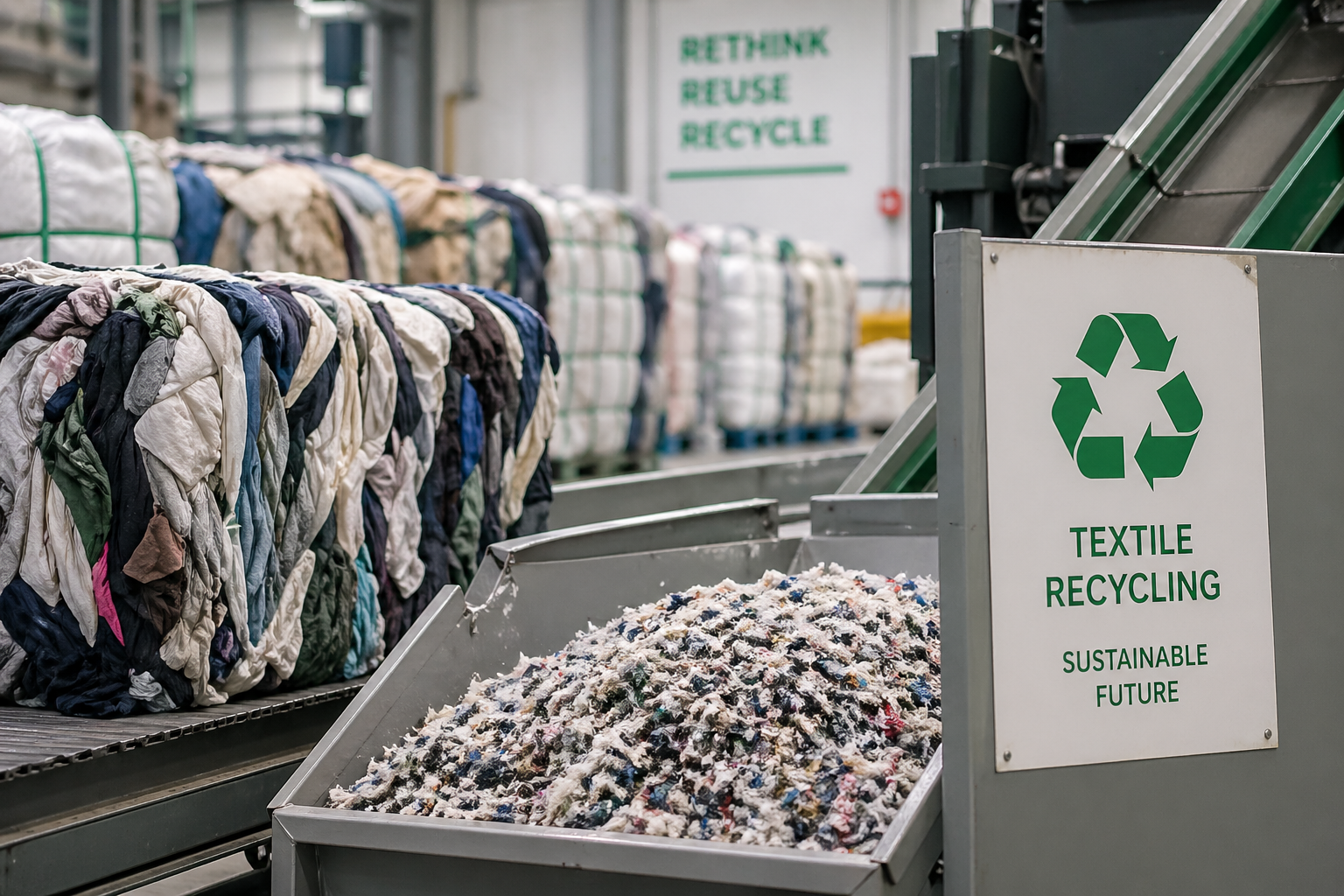
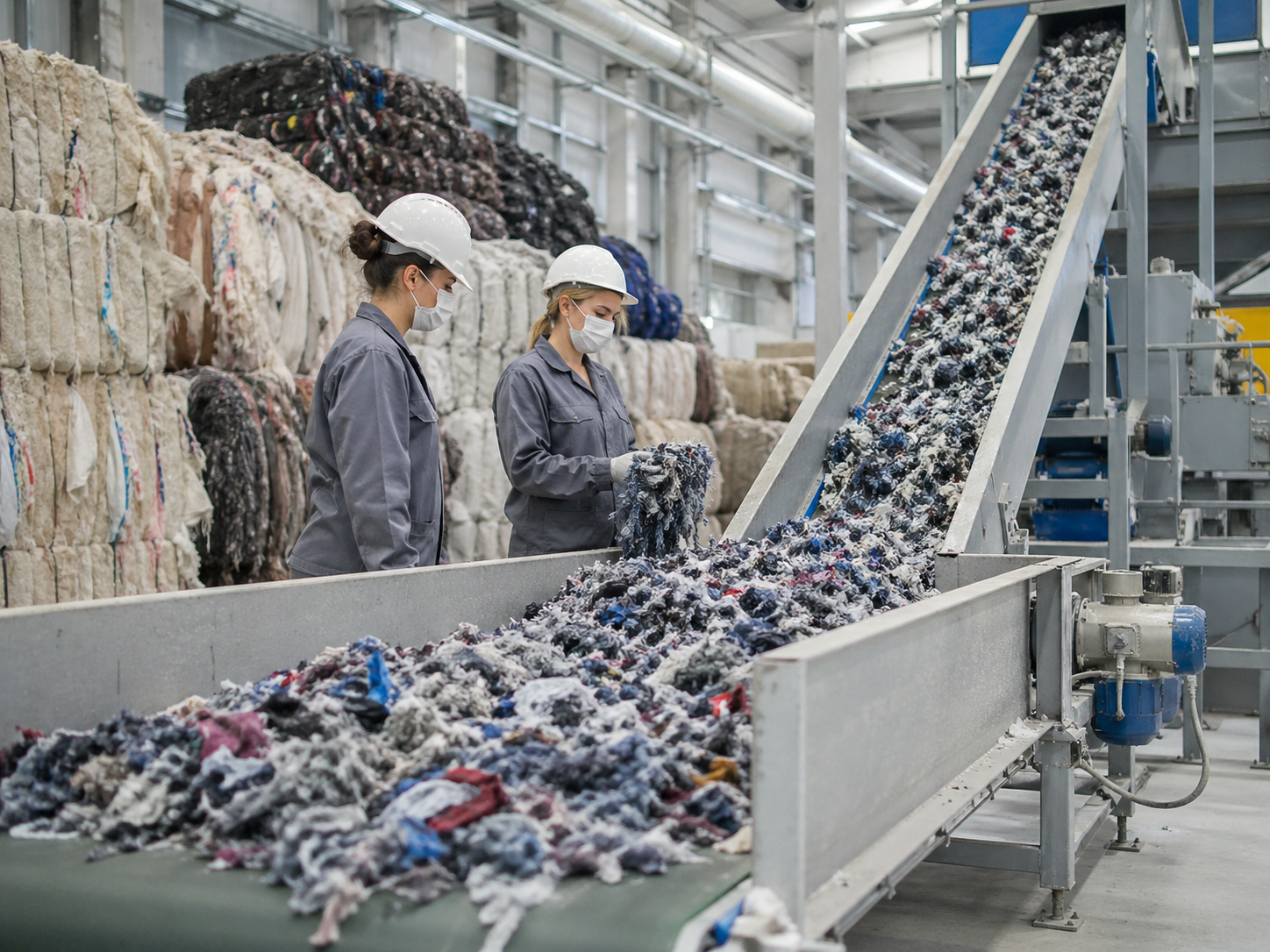
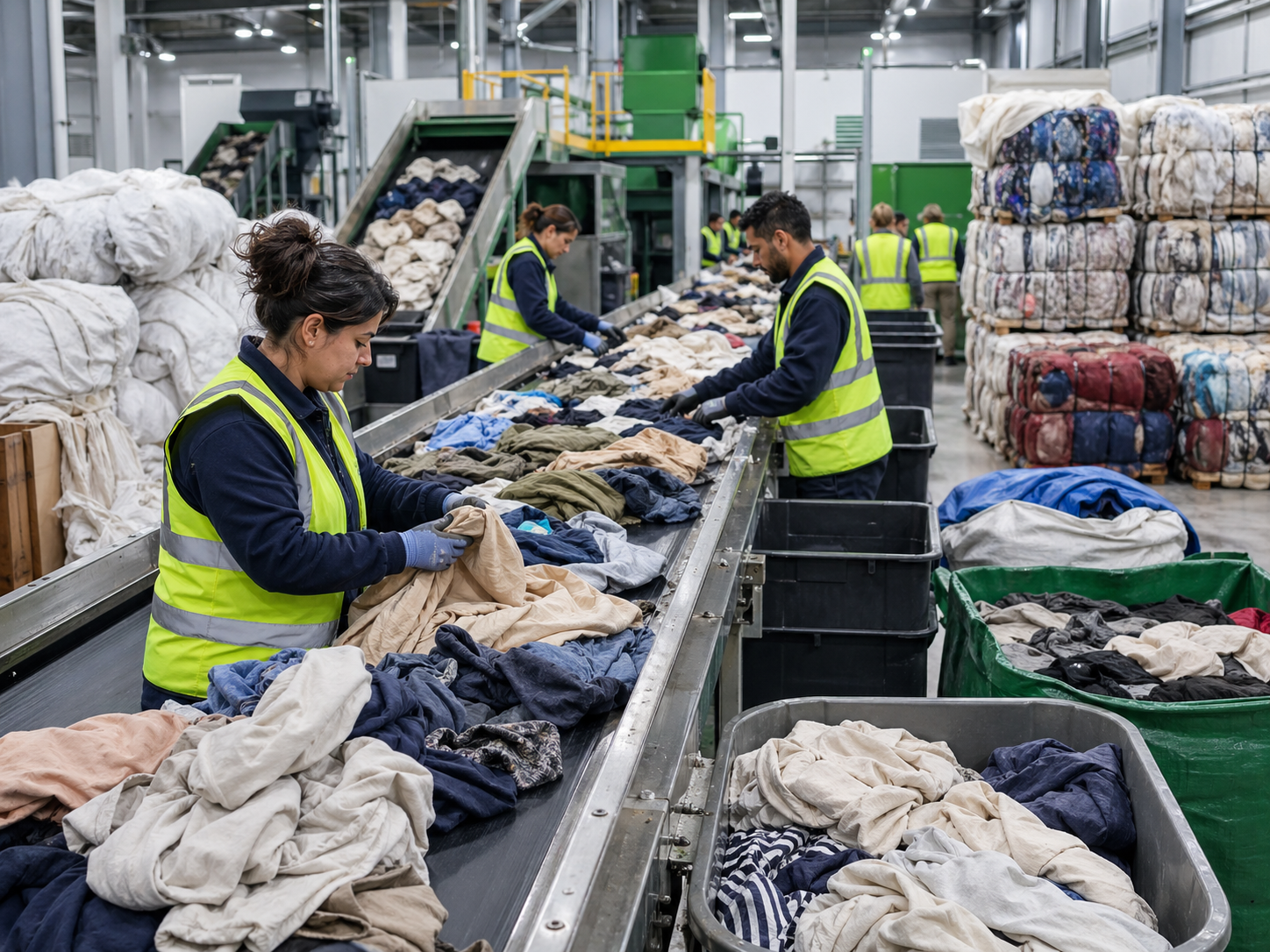
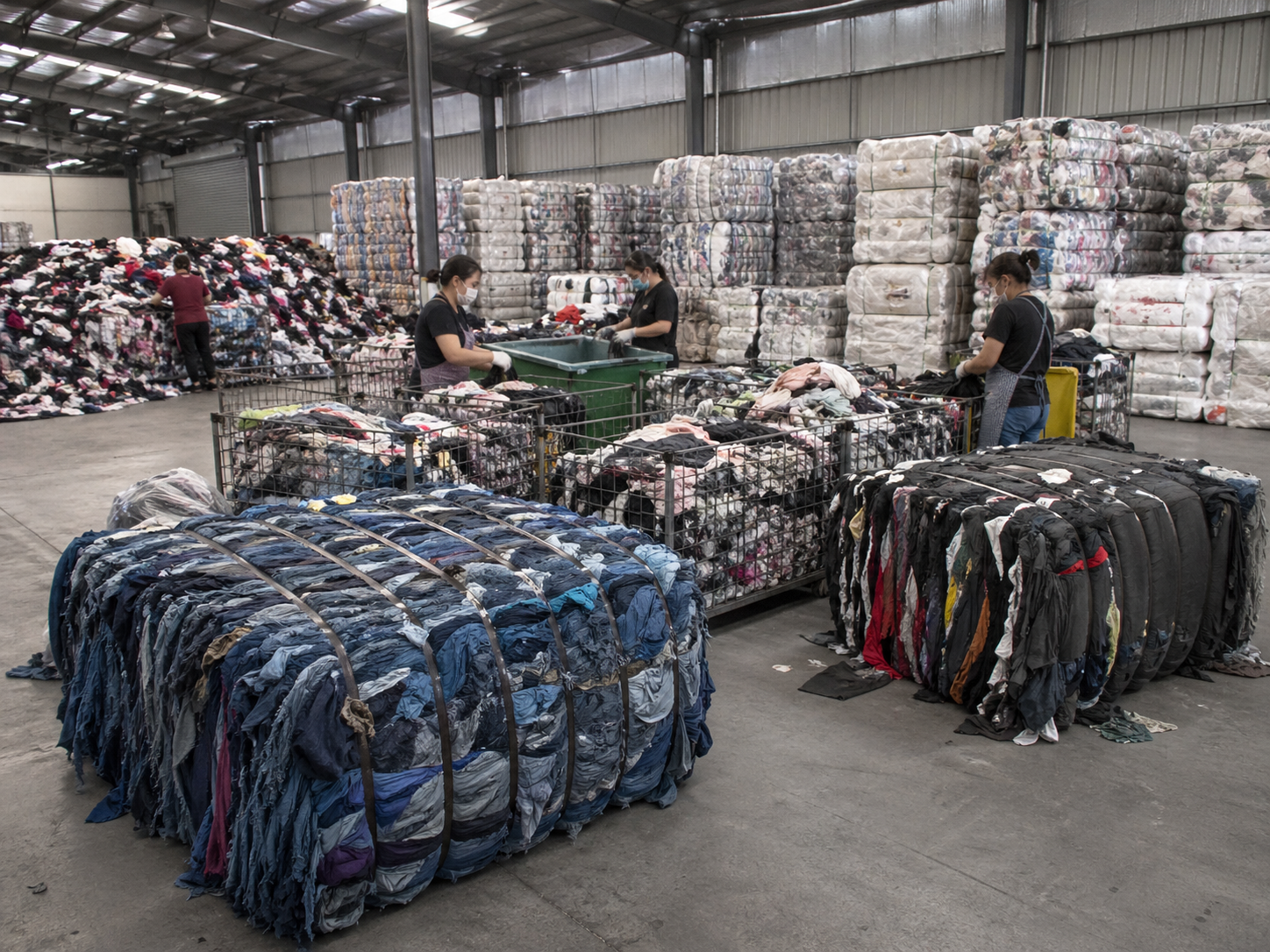
Textile recycling operations must identify and sort large volumes of used garments and reusable textile products whose origin, composition, usage and condition may otherwise be difficult to determine. Without reliable data, potentially reusable or recyclable items can be processed using broad assumptions rather than their actual history.
A durable RFID identity can remain associated with the textile throughout manufacturing, service, washing, reuse and retirement. When the relevant lifecycle information has been connected to that identity through software, recyclers can access data such as textile category, origin, service history, wash count, condition or intended end-of-life route.
Datamars LaundryChip™ tags, RFID reading systems and Twinify help create a continuous digital link between the physical textile and its lifecycle record. This can connect recyclers with manufacturers, laundries, rental companies and end users across the wider textile value chain.
By improving data availability at end-of-life, RFID can support more accurate sorting, stronger material-flow control, improved reuse opportunities and more traceable circular textile processes.

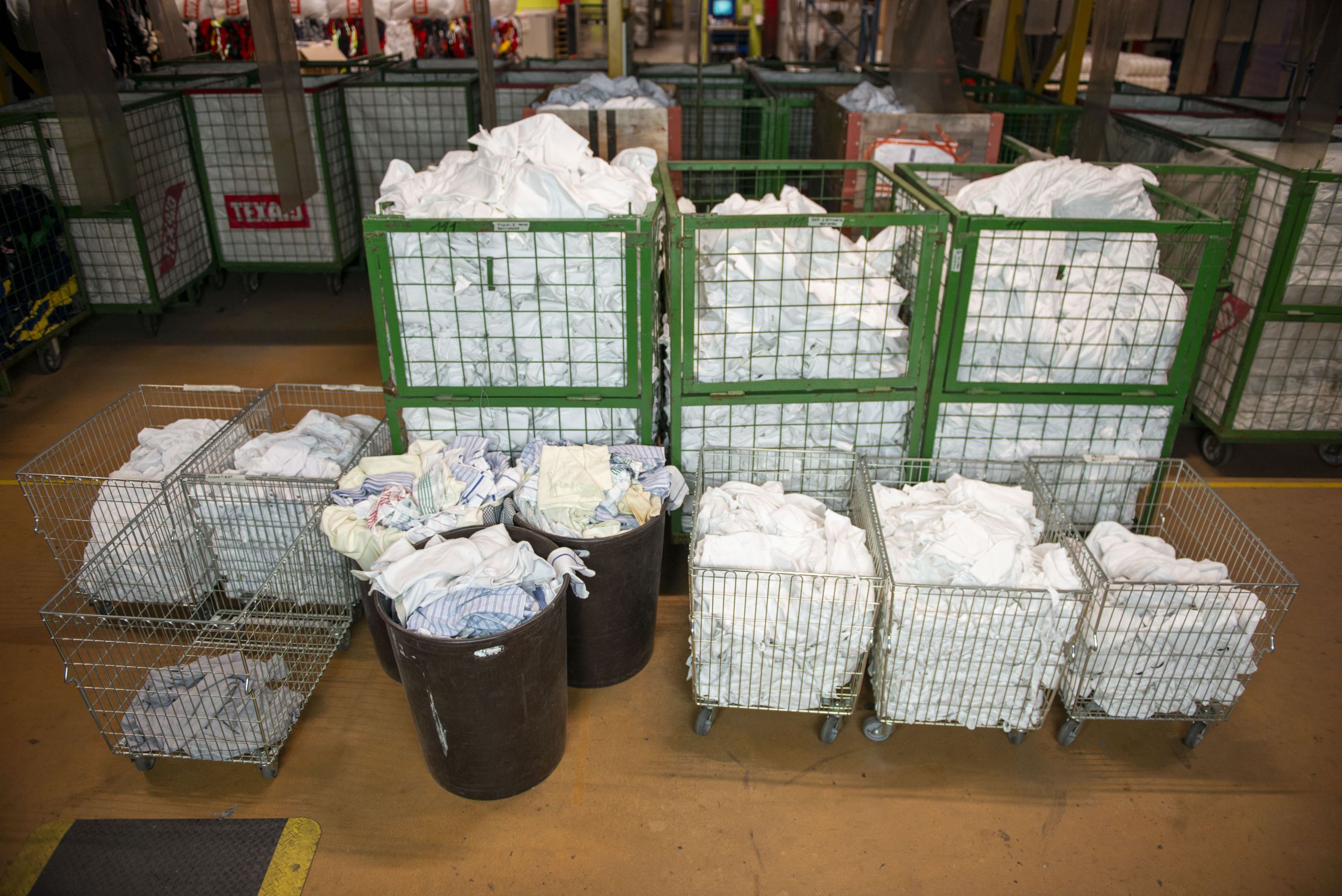
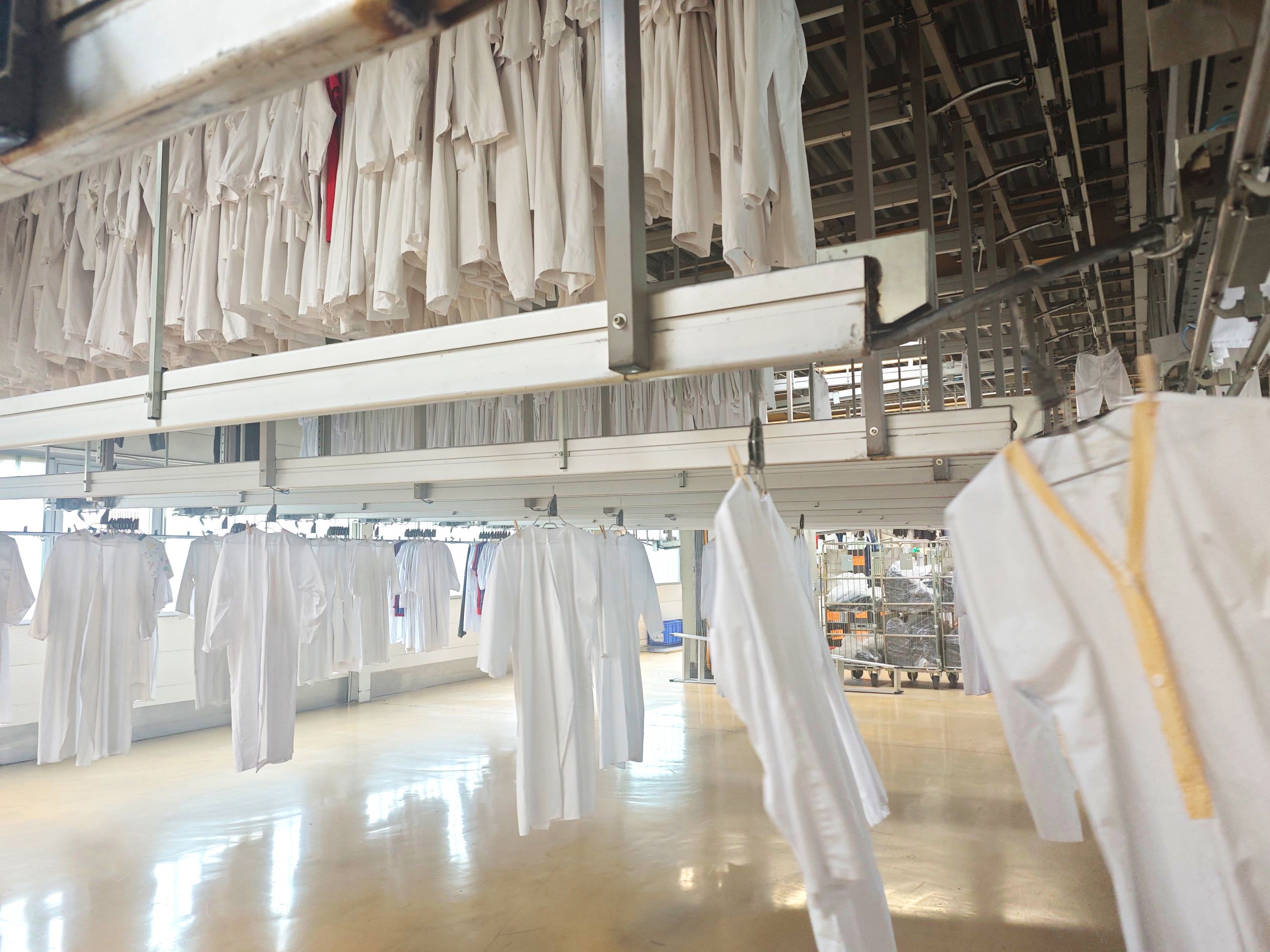
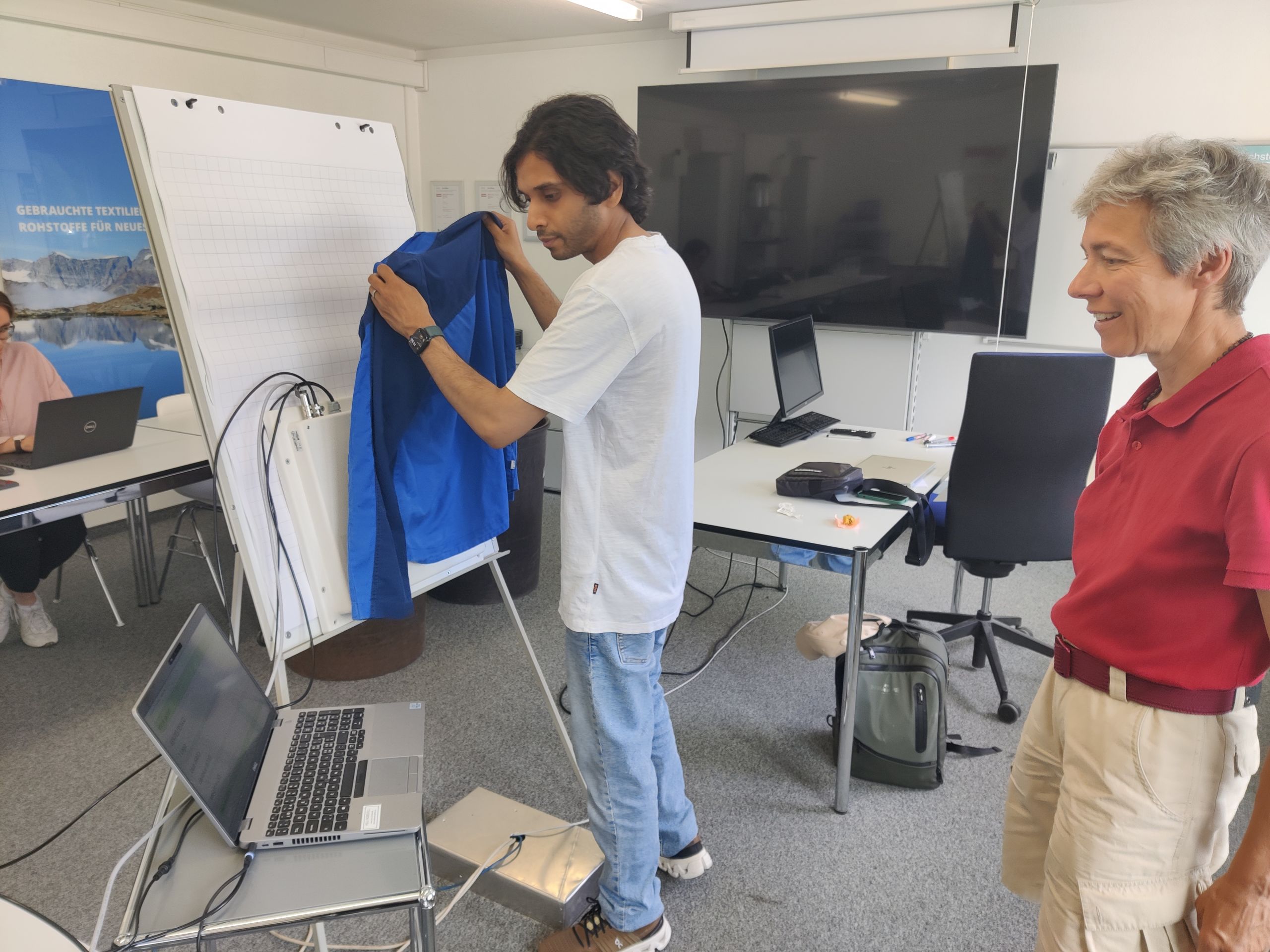
FROM RESEARCH TO PRACTICE: RFID AND CIRCULAR WORKWEAR.
Transitioning workwear from a linear to a circular lifecycle requires more than good intentions. It requires data. Reliable, item-level data that flows across the entire value chain, from manufacturer to laundry, from user to sorter to recycler.
To explore what this transition looks like in practice, Datamars Textile ID participated in a two-year research initiative run by Lucerne University of Applied Sciences and Arts (Switzerland). The project examined how RFID-enabled traceability can support circular workwear systems, and what technology architecture is needed to make them work at scale.
As the only partner with working knowledge of the full value chain, Datamars contributed LaundryChip™ tags, reading systems, software and consulting expertise. Key outcomes include 49 recommendations for circular resource flows, a Circular Workwear Indicator Tool, and four textile prototypes for the nursing sector containing up to 39% recycled content. Several findings have already been integrated into the Twinify platform.
➡️Download the Research Summary.
➡️View the full project on the Lucerne University of Applied Sciences and Arts website.
 Datamars | Textile ID